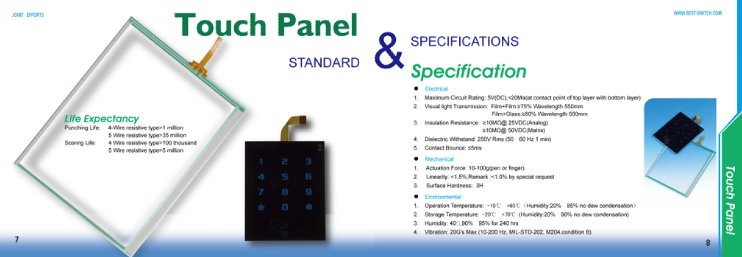
4-wire, 5-wire, 8-wire resistive and projected capacitive touch panels. Up to 35 million touch life on 5-wire models. Excellent optical clarity. For medical monitors, POS systems, industrial HMI, and smart appliances.
Request Quote →| Parameter | Value / Range |
|---|---|
| Type | 4-Wire / 5-Wire / 8-Wire Resistive, PCAP Capacitive |
| Touch Life (4-Wire) | ≥5 million touches |
| Touch Life (5-Wire) | ≥35 million touches |
| Touch Life (8-Wire) | ≥10 million touches |
| Transparency | ≥80% (resistive), ≥90% (capacitive) |
| Surface Hardness | 3H (resistive), 7H (capacitive with glass) |
| Actuation Force | 15g ~ 100g (resistive) |
| Resolution | 4096 x 4096 (resistive) |
| Response Time | <15ms |
| Operating Temperature | -10°C ~ +60°C |
| Connector | FPC / ZIF / Custom |
| Glass Options | Soda lime, Aluminosilicate, Gorilla glass |
| Controller Compatible | EETI / FT / ILITEK / USB HID |
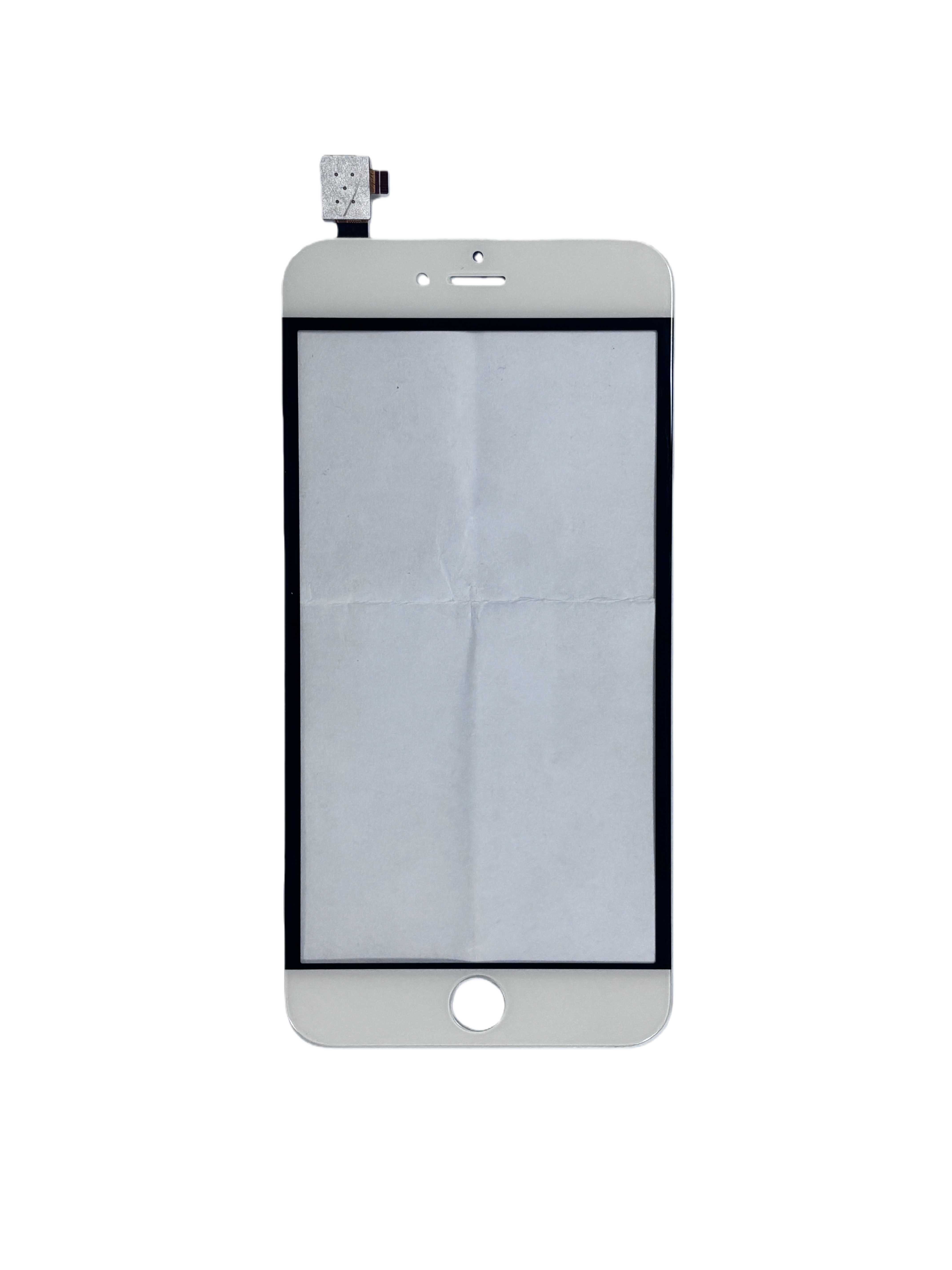
PCAP supports 2-10 touch points. Glove-friendly mode available.
Resistive panels consume zero power. Capacitive <50mW.
5-wire design lasts >35M touches. Ideal for kiosks and medical.
Anti-glare and high-brightness options available.
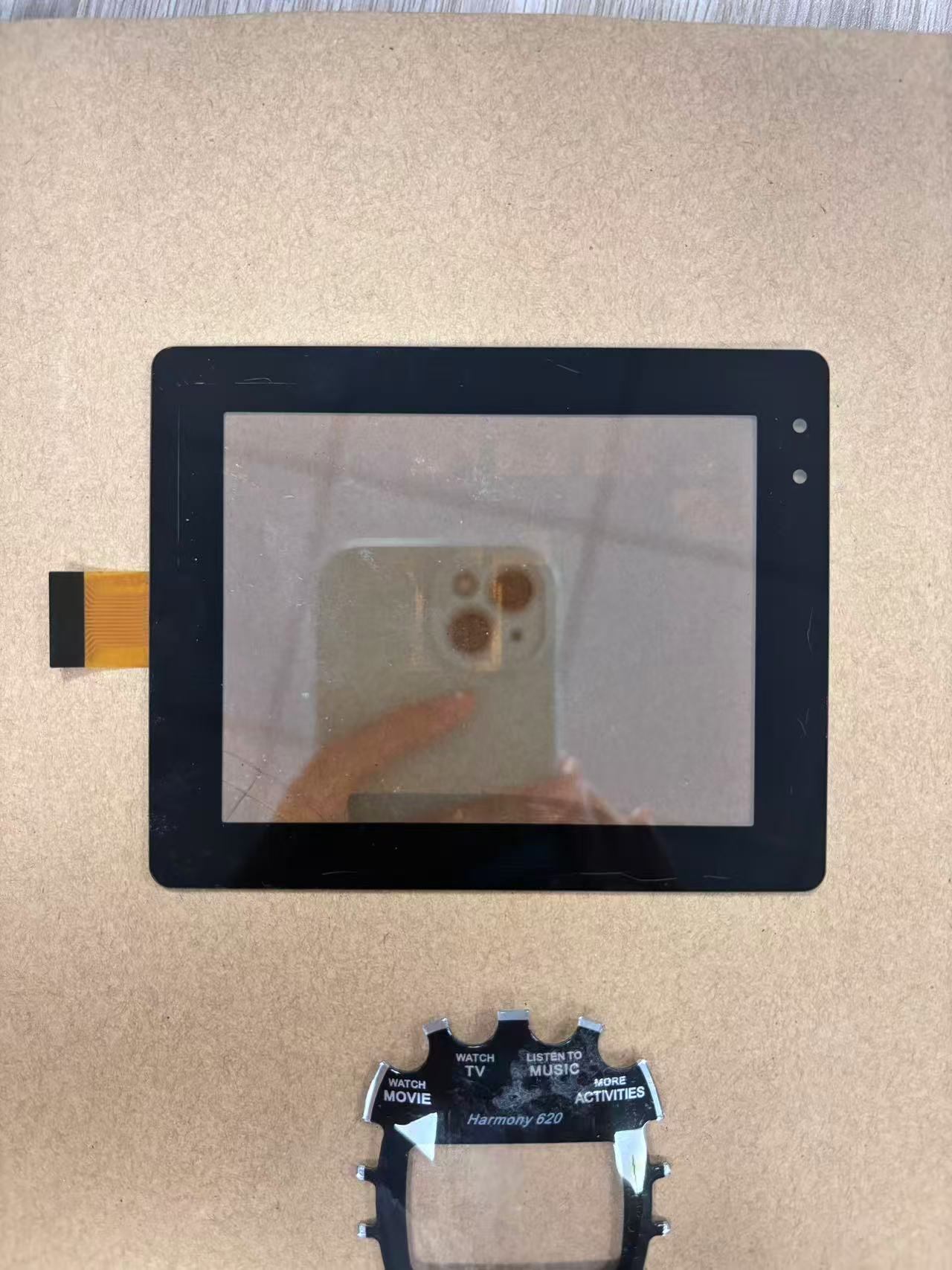
From 2.4" to 21.5". Custom cover glass shapes and printing.
Compatible with Windows, Linux, Android via USB/I2C.
BestSwitch supplies both resistive and projected capacitive (PCAP) touch panels for diverse industrial and commercial applications. Each touch technology offers distinct advantages depending on the operating environment and user requirements:
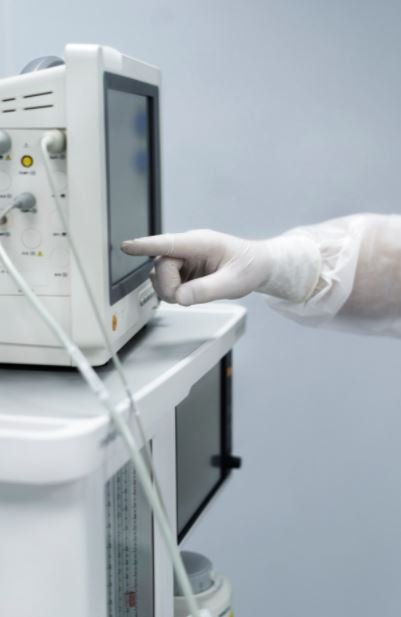
Clinical monitors, patient information terminals, and diagnostic imaging workstations benefit from 5-wire resistive touch technology, which offers exceptional durability (35 million touches) and can be operated with gloved hands or a stylus. Our medical-grade touch panels feature antimicrobial cover glass, anti-glare surface treatments to reduce screen reflections under clinical lighting, and sealed construction that withstands cleaning solutions.
Retail point-of-sale systems and self-service kiosks require touch screens that balance cost with durability. Our 4-wire resistive panels provide reliable touch input at entry-level pricing, while PCAP capacitive panels enable modern multi-touch gesture interfaces (pinch-to-zoom, swipe) for enhanced user experience.
Factory automation terminals, CNC machine interfaces, and process control HMI panels operate in harsh environments with dust, oil, and temperature fluctuations. Our 5-wire and 8-wire resistive touch panels maintain reliable operation even with surface contamination or when operators wear thick work gloves. Optical bonding options eliminate air gaps for improved sunlight readability in bright factory environments.
Touch panel customization includes: size selection from 2.4 inches to 21.5 inches diagonal, cover glass material (soda lime, aluminosilicate, or Gorilla glass), glass thickness (0.7mm to 3.2mm), surface treatment (anti-glare, anti-fingerprint, hard coating up to 7H), custom shape with notches and holes, printed border and logo decoration, controller board integration (EETI, FT, ILITEK, or USB HID compatible), and optical bonding for enhanced outdoor readability.
Every touch panel undergoes comprehensive testing: touch linearity verification (4096 x 4096 resolution for resistive), actuation force measurement, optical transmissivity measurement (≥80% resistive, ≥90% capacitive), surface hardness scratch testing, and high-temperature/humidity aging (60°C/90% RH for 48 hours). Random samples from each production lot undergo drop testing and accelerated life touch cycling.
Resistive touch screens operate by detecting pressure applied to the touch surface, which creates electrical contact between two conductive layers separated by spacer dots. The 4-wire configuration is the most economical, with the bottom layer providing X-axis sensing through two electrodes and the top layer providing Y-axis sensing through two electrodes. This design offers reliable operation at minimal cost but has a limited touch life of approximately 5 million touches because the flexible top layer experiences mechanical wear. The 5-wire configuration uses four electrodes on the bottom layer for both X and Y sensing while the top layer serves only as a voltage probe, reducing mechanical wear and extending touch life to 35 million touches. The 8-wire configuration adds redundant sense lines that allow the controller to compensate for drift and aging effects, providing the highest accuracy and stability among resistive technologies.
Projected capacitive touch technology has become the dominant touch interface in consumer and commercial applications. PCAP sensors consist of a grid of transparent conductive electrodes (typically indium tin oxide or ITO) patterned on glass or film substrates. The mutual capacitance sensing method measures the capacitive coupling between adjacent X and Y electrodes, detecting the presence of a finger through the change in the electric field. This technology supports true multi-touch with up to 10 simultaneous touch points, gesture recognition, and operation through gloved hands or cover glass thicknesses up to 6mm. Our PCAP controllers support automatic calibration, noise filtering, and water rejection algorithms that maintain accurate touch detection even with water droplets on the surface. Touch resolution of 4096 x 4096 interpolated points ensures smooth cursor tracking and precise selection in applications such as digital drawing and medical imaging review.
When a touch panel is mounted to an LCD display, the air gap between the two surfaces creates reflections that reduce contrast and readability, particularly in bright ambient lighting conditions. Optical bonding eliminates this air gap by filling the space with a transparent optical adhesive that matches the refractive index of glass (approximately 1.5). This process reduces surface reflections from approximately 14% (for two uncoated glass surfaces) to less than 1% for a bonded assembly, improving contrast ratio by a factor of 2-3 in high-ambient-light environments. For applications requiring extreme sunlight readability, such as outdoor kiosks and marine displays, we offer optical bonding combined with anti-reflective (AR) coating on the cover glass surface, reducing total reflectance to below 0.5%. Bonding processes include liquid optically clear adhesive (LOCA) for high-throughput production and optically clear adhesive (OCA) film for designs requiring rework capability.
Our touch panel products are designed and tested to meet relevant industry standards for electrical safety, environmental durability, and optical performance. Resistive touch panels are tested per IPC-9203 for touch linearity and actuation performance, while PCAP panels are evaluated for touch sensitivity, multi-touch accuracy, and gesture recognition performance. All touch panels undergo IEC 60068 environmental testing including temperature cycling, humidity exposure, and vibration testing. For medical display applications, we offer touch panels compliant with IEC 60601-1 for medical electrical equipment safety and IEC 60601-1-2 for EMC requirements. Optical performance testing includes transmissivity measurement per ASTM D1003, haze measurement, color shift evaluation under different viewing angles, and reflection measurement for anti-glare treated surfaces. Each touch panel is individually calibrated and tested before shipment, with calibration data stored and provided with the product for quality assurance traceability.
We can tailor the design, materials, dimensions, and finish to your exact requirements. Send us your specifications for a free review.
Contact Sales Team