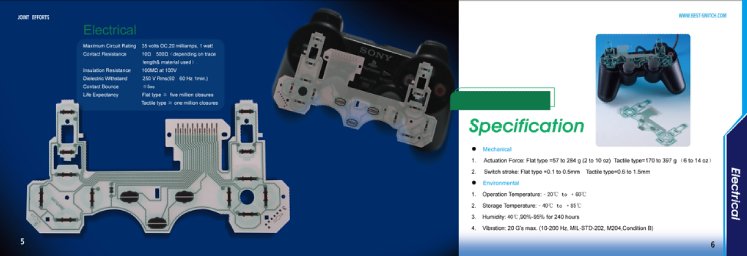
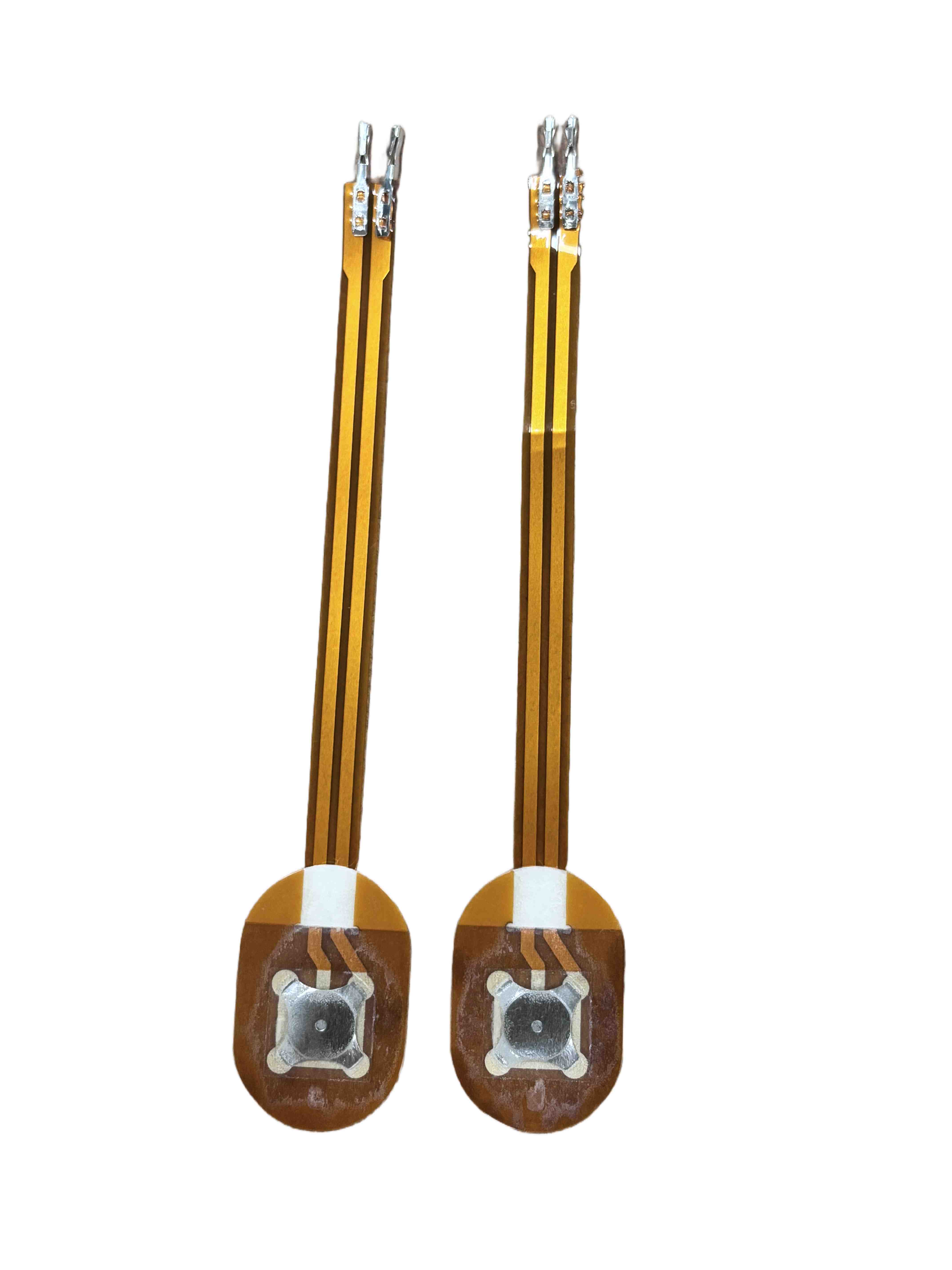
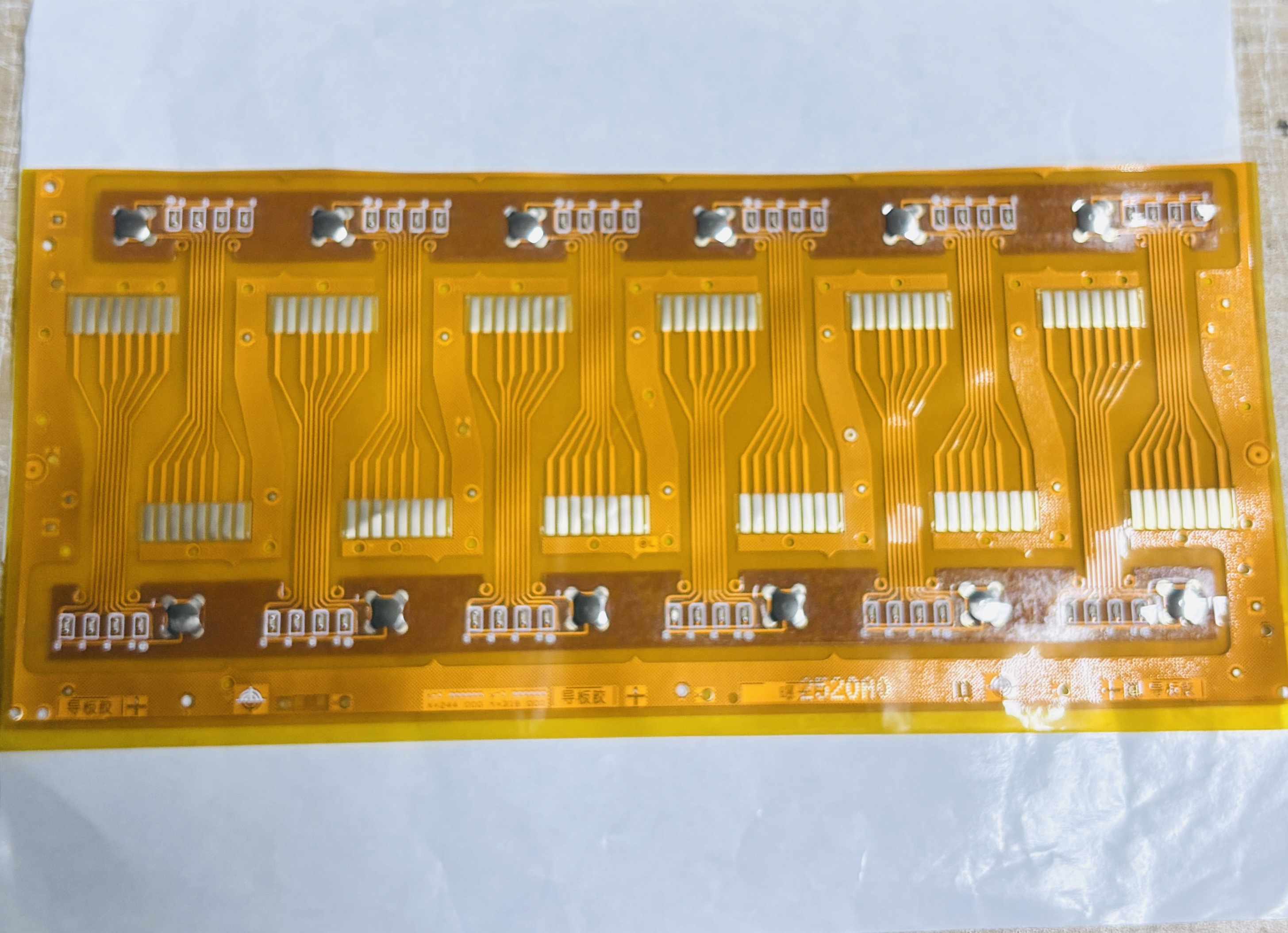
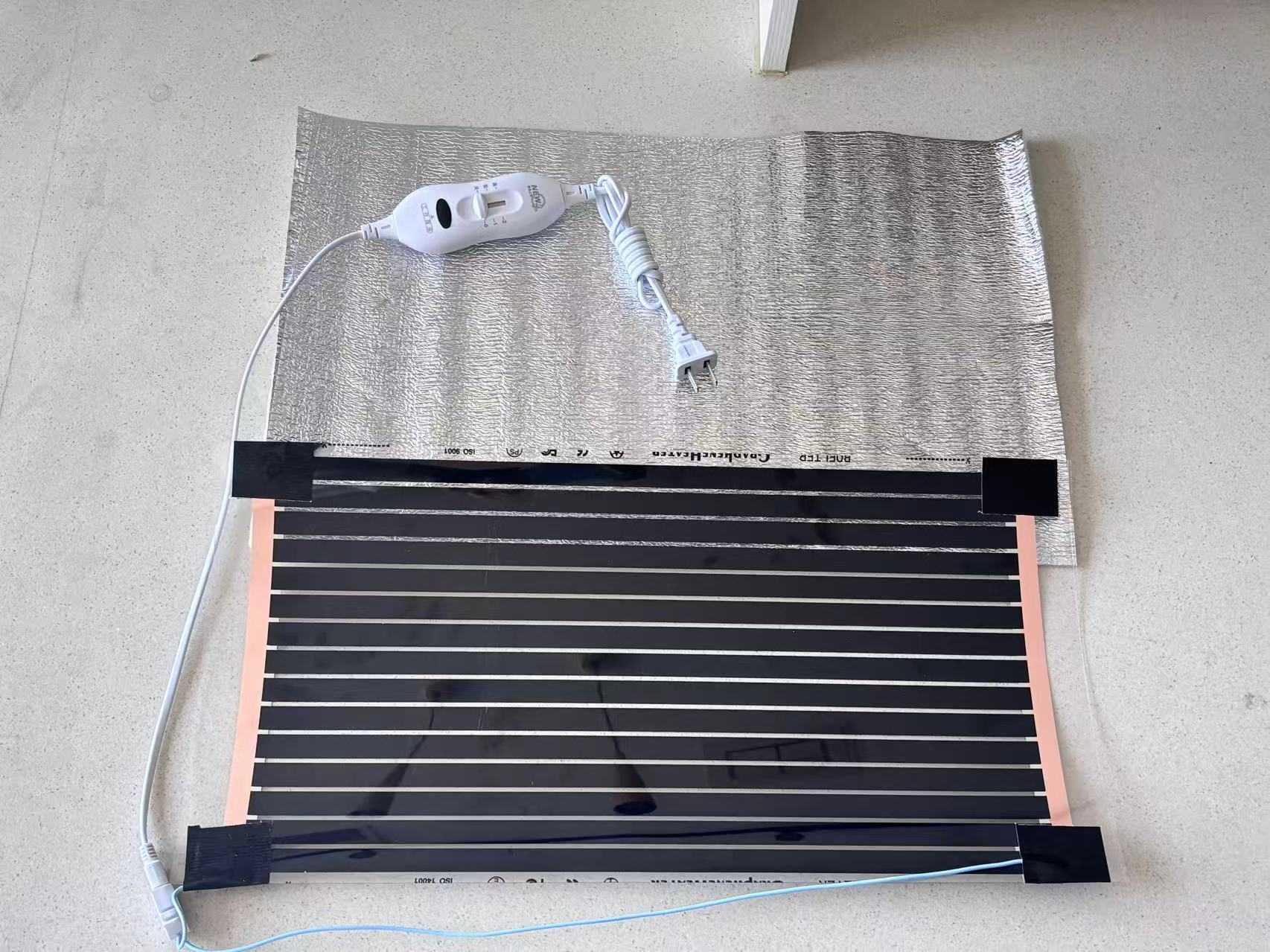
Single and double-layer flexible circuits with precision SMT assembly. Roll-to-roll production process for high-volume manufacturing. Used in automotive electronics, medical devices, consumer electronics, and EV battery systems.
Request Quote →| Parameter | Value / Range |
|---|---|
| Base Material | PET / PI (Polyimide) |
| Copper Thickness | 0.5oz / 1oz / 2oz |
| Base Thickness (Single) | 0.013mm |
| Base Thickness (Double) | 0.025mm |
| Min. Line Width / Spacing | 0.1mm / 0.1mm |
| Operating Voltage | ≤42V / ≤25V (AC) |
| Contact Resistance | 0.5Ω ~ 10Ω |
| Dielectric Withstand | 2kV for 1 minute |
| Operating Temperature | -20°C ~ +135°C |
| Surface Finish | ENIG / OSP / Carbon ink |
| Connector Options | ZIF / FFC / SMT pads |
| Inspection | 4-wire Kelvin testing |
| Standards | IPC-6013 |
| Component Support | Down to 01005 size |
Supports 01005 components. Fine-pitch assembly to 0.3mm.
High-volume reel-to-reel processing for mass production efficiency.
±0.05mm alignment. 4-wire Kelvin electrical testing.
3-5 day quick-turn prototypes with free design review.
-20°C to +135°C. Suitable for automotive engine bay use.
Single, double, and rigid-flex combo designs available.
Flexible printed circuits (FPC) from BestSwitch are designed for applications where space constraints, weight reduction, and dynamic flexing are critical. Our manufacturing capabilities support both single and double-layer designs with precision SMT assembly:
Electric vehicle battery management systems (BMS) require reliable, flexible interconnects that can withstand vibration and thermal cycling. Our double-layer FPC with 1oz copper and polyimide substrate provides signal integrity for cell monitoring circuits. With operating temperature range up to +135°C, these circuits are suitable for under-hood and battery pack environments.
Endoscopic cameras and surgical instruments demand ultra-thin, flexible circuits that can navigate tight bends. Our single-layer FPC with 0.013mm PI base and line width/spacing down to 0.1mm enables compact catheter-mounted sensor arrays. Gold-plated contacts ensure reliable signal transmission despite repeated sterilization cycles.
The growing market for foldable smartphones and wearables places extreme demands on flexible circuit durability. Our roll-to-roll production process ensures consistent quality across high-volume runs, while our engineering team works with clients on dynamic flex life optimization, including bend radius analysis and copper fatigue modeling.
We offer comprehensive FPC customization including: substrate selection (PET for cost-sensitive, PI for high-temperature), copper thickness (0.5oz to 2oz), line width/spacing down to 0.1mm/0.1mm, surface finish (ENIG, OSP, carbon ink, or selective gold), solder mask color, stiffener options (FR4, PI, stainless steel), EMI shielding (silver paste or copper foil), and impedance-controlled designs for high-speed signals.
All FPC products are manufactured to IPC-6013 Class 2/3 standards. Electrical testing includes 4-wire Kelvin continuity testing, insulation resistance measurement, and dielectric withstand testing at 2kV. Dimensional verification uses automated optical inspection (AOI) for pattern registration and solder joint quality. We provide sample-level cross-section analysis for plated through-hole integrity and copper thickness verification.
Understanding the difference between dynamic and static flex applications is critical when designing flexible printed circuits. Static flex circuits are bent during installation and remain in a fixed position during operation. These are common in consumer electronics where space constraints require three-dimensional routing between stacked components. Dynamic flex circuits, by contrast, undergo repeated bending cycles during normal operation, such as in foldable phones, printer heads, hard disk drive actuator assemblies, and robotic joint connections. For dynamic flex applications, we specify rolled-annealed copper foil instead of electro-deposited copper, as the rolled copper grain structure provides superior fatigue resistance. Bend radius requirements also differ: static flex circuits can tolerate bend radii as tight as 3-5 times the circuit thickness, while dynamic flex circuits require bend radii of at least 10-20 times the circuit thickness to achieve millions of flex cycles without conductor failure.
As electronic devices operate at increasingly higher frequencies, maintaining signal integrity in FPC designs has become essential. Controlled impedance traces require precise control of dielectric thickness, copper width, and the dielectric constant of the substrate material. Our standard impedance tolerance is +/-10% for single-ended traces and +/-15% for differential pairs, achievable through tight process control of etching, lamination, and material properties. For high-speed digital interfaces such as MIPI, HDMI, or USB 3.0, we offer impedance modeling and validation services including time-domain reflectometry (TDR) testing on production samples. The selection of substrate material significantly impacts high-frequency performance: polyimide has a dielectric constant of approximately 3.4 at 1 GHz, while specialized low-loss materials such as liquid crystal polymer (LCP) offer dielectric constants as low as 2.9 with lower dissipation factors for millimeter-wave applications.
Flexible circuits often require localized reinforcement at connector areas or component mounting locations. Our stiffener options include polyimide (PI) film for minimal thickness addition, FR4 for rigid PCB-like support, and stainless steel or aluminum for maximum mechanical rigidity and heat dissipation. Pressure-sensitive adhesive (PSA) stiffeners are suitable for prototyping and low-volume production, while thermosetting epoxy-bonded stiffeners provide higher peel strength and thermal resistance for volume applications. We also offer selective stiffener placement using laser cutting for precise registration on complex designs.
Electromagnetic interference (EMI) shielding is increasingly required for FPC assemblies used in compact electronic devices where multiple circuits operate in close proximity. Our shielding solutions include silver paste coating applied to the outer layers of the FPC, copper foil laminates with conductive adhesive, and flexible ferrite sheets for magnetic field absorption. The choice of shielding method depends on the frequency range of concern, with silver paste providing effective shielding from 30 MHz to 1 GHz and copper foil extending coverage to 10 GHz and beyond.
All flexible circuits manufactured at BestSwitch comply with IPC-6013 Class 2 and Class 3 qualification requirements. Class 2 certification applies to dedicated service electronic products where continued performance and extended life are required. Class 3 applies to high-reliability products where uninterrupted service is critical. We maintain detailed process documentation and traceability records for each production batch, including incoming material inspection reports, in-process SPC data, and final electrical test results. Our quality team provides comprehensive documentation packages including Certificate of Compliance (CoC), material certification, dimensional inspection reports, and test data as required by client specifications. This commitment to documentation ensures that every shipment is accompanied by the traceability and quality evidence that medical, automotive, and defense clients demand from their manufacturing partners.
We can tailor the design, materials, dimensions, and finish to your exact requirements. Send us your specifications for a free review.
Contact Sales Team